
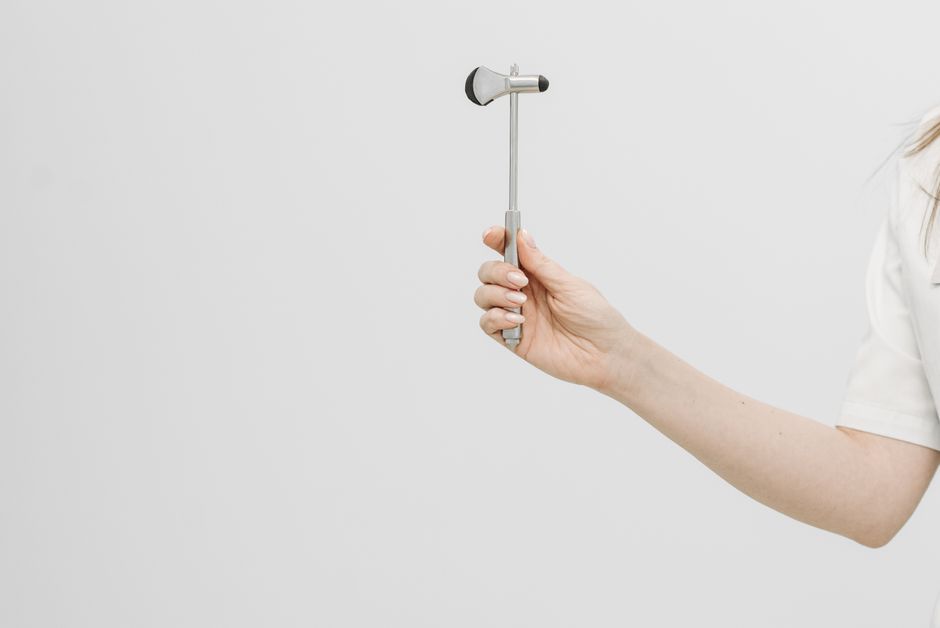
Nearly every physician, regardless of specialty, will field a headache complaint this week. Most of the time it's benign. Sometimes it isn't, and the difference between the two can hinge on a five-minute history and a handful of exam findings that either point straight ahead or send the case sideways into the emergency department.
The diagnostic challenge isn't finding a headache. It's knowing which headache is standing in front of you: the tension headache that responds to reassurance and an over-the-counter analgesic, or the one that needs urgent imaging because it's mimicking something else entirely. That overlap between headache red flags and stroke mimics is exactly the terrain we cover in our companion piece on neuroimaging decision-making in acute stroke, and the two topics share more diagnostic logic than most clinicians expect.
At Educational Symposia, our neurology curriculum exists because these judgment calls don't get easier with volume alone. Physicians see thousands of headache patients over a career, but the diagnostic algorithms that separate primary from secondary headache disorders, and acute from chronic management, still require deliberate, structured training. This post walks through that algorithm: how headache disorders are classified, what the current guidelines recommend, and where the exceptions live.
What Are the IHS Headache Guidelines?
The International Headache Society's ICHD-3 (International Classification of Headache Disorders, 3rd edition) sorts headache into primary disorders, like migraine, tension-type, and cluster headache, and secondary disorders caused by an underlying condition such as trauma, infection, or vascular disease. The classification drives both diagnosis and which red flags demand immediate workup.
ICHD-3 isn't just an academic exercise. It's the diagnostic backbone that most headache treatment guidelines, including those used in emergency departments and primary care, build their algorithms on top of. According to Mayo Clinic, tension-type headache is the most common primary headache disorder, yet it remains one of the least studied, which is part of why so many physicians default to migraine-focused training and then feel underprepared when a tension headache case doesn't respond as expected.
What Types of Headache Disorders Are There?
Once you separate primary from secondary headache, the type of headache in front of you determines nearly everything else: workup, medication choice, and follow-up interval. The most clinically relevant categories include:
- Tension-type headache, typically bilateral, pressing, and mild to moderate
- Migraine, with or without aura, often unilateral and pulsating
- Cluster headache, severe and strictly one-sided with autonomic features
- Medication-overuse headache, arising from frequent analgesic use
- Thunderclap headache, a secondary red flag requiring urgent imaging
- Headache attributed to intracranial hemorrhage or vascular disorder
- Headache attributed to infection, including meningitis

"Tension-type headache is the most common type of headache, and yet it is one of the least studied of the primary headache disorders."
Notice what's missing from most patient-facing headache content: the secondary causes. Physicians can't afford that omission. A patient describing a "usual migraine" that's actually a sentinel bleed, or a first severe headache after age 50, needs a different algorithm entirely, and that's where the emergency department approach matters most.
How Should Emergency Departments Approach a Headache Patient?
Emergency clinicians approach headache by screening for red flags first and diagnosing benign primary headache only after secondary causes are reasonably excluded. Sudden onset, worst-headache-of-life presentation, neurologic deficit, fever, or new headache after age 50 all trigger urgent neuroimaging rather than symptomatic treatment alone.
The SNNOOP10 mnemonic, developed to standardize this screening, captures the pattern clinicians are trained to catch: systemic symptoms, neurologic signs, sudden onset, older age of onset, pattern change, and positional worsening among the red flags that shift a case from reassurance to imaging within minutes. A thunderclap headache in particular, one that peaks in intensity within seconds, deserves the same urgency our stroke recognition and intervention protocols demand, because subarachnoid hemorrhage can present as "the worst headache of my life" with a normal neurologic exam.

Pregnancy adds another layer clinicians can't skip. A new or severe headache in a pregnant patient, especially with visual changes or hypertension, should prompt evaluation for preeclampsia rather than a default migraine workup, a distinction we go into further in our guide to recognizing and treating hypertensive disorders in pregnancy. A systematic review of red-flag criteria for secondary headache in clinical settings, indexed through the National Library of Medicine, found that structured red-flag screening meaningfully improves detection of dangerous secondary causes without triggering unnecessary imaging in every patient.
What Do American Headache Society Guidelines Recommend for Acute Migraine Treatment?
Current guidelines favor early, adequate dosing over a step-care approach that waits for one drug to fail before trying the next. For most patients, that means a triptan or a combination of NSAID and antiemetic at headache onset, with CGRP-targeted therapies reserved for patients who don't respond to first-line options or who have contraindications to triptans.
Stratified care, matching treatment intensity to attack severity rather than escalating slowly, has become the practical standard. Board-certified providers recommend treating migraine attacks early and at an adequate dose precisely because delayed or under-dosed treatment tends to produce partial response and rebound. The stakes for getting this right are larger than a single bad day.
"Migraine is one of the most common and disabling medical illnesses in the world, and it remains underdiagnosed and undertreated in a majority of people affected by it."
Is Medication Always the Right Approach?
Not always, and this is where nuance matters. Chronic tension headache and episodic migraine both respond well to non-pharmacologic approaches, including cognitive behavioral therapy, biofeedback, and structured sleep and hydration habits, particularly when comorbid anxiety is driving frequency. Anxiety treatment through CBT alone has been shown to reduce headache days in patients whose headache pattern tracks closely with stress and worry, and for some patients it's a more sustainable first step than adding another daily medication.
Comorbidity screening also changes the picture. A patient on stimulant medication as part of adhd treatment may report new headache as a side effect rather than a primary headache disorder, and that distinction changes management entirely. The same is true for mood stabilizers used in bipolar disorder treatment, several of which list headache among their more common adverse effects. And a headache pattern that's genuinely new, especially with sensory or visual symptoms, sometimes turns out to be the presenting complaint that leads to a diagnosis requiring multiple sclerosis treatment rather than management as a primary headache disorder at all, which is exactly why red flags and a low threshold for imaging matter even in patients who initially look like straightforward migraine cases.

What Results Can Patients Expect From Headache Treatment?
Realistic timelines matter more than patients usually expect them to. Acute treatment for an individual migraine attack should produce meaningful relief within one to two hours; if it consistently doesn't, that's a signal to reassess the medication or dose rather than wait it out. Preventive therapy is slower. Most preventive medications need six to twelve weeks at an adequate dose before a clinician can fairly judge whether they're working, and patients who quit at week three because "nothing changed" are usually quitting right before the response curve.
In our own programming, faculty repeatedly emphasize that headache frequency reduction, not elimination, is the honest benchmark for chronic migraine and chronic tension headache. A fifty percent reduction in headache days is considered a meaningful clinical response in most trials, not a disappointing one, and setting that expectation with patients early prevents a lot of premature medication switching.
Practical Tips for Diagnosing and Managing Headache Disorders
A few habits separate clinicians who catch the dangerous outliers from those who don't, and they're worth building into routine practice:
- Screen every new headache complaint against red-flag criteria before defaulting to a primary headache diagnosis
- Ask about pattern change, not just current severity, since a change in a known migraineur's pattern is itself a red flag
- Treat acute migraine early and at an adequate dose rather than starting low and escalating slowly
- Screen for anxiety, mood disorders, and medication side effects before assuming a chronic headache is purely neurologic
- Set realistic timelines with patients: quick relief for acute treatment, weeks for preventive therapy
- Keep a low threshold for imaging in first severe headache, new headache after age 50, or headache with neurologic findings
We built our neurology-focused CME programming around exactly this kind of decision-making, and physicians who train through Educational Symposia's accredited courses consistently tell us the algorithms stick because they're taught alongside the exceptions, not instead of them.
Headache will never stop being one of the most common complaints in medicine, and that familiarity is precisely what makes it risky. The algorithm isn't complicated once you've internalized it: classify first, screen for red flags relentlessly, treat early and appropriately, and stay honest with patients about what a realistic timeline looks like. Get those four steps right and you'll catch the rare dangerous case without turning every tension headache into an emergency.